Saved on this device · Your choices shape the story.

First Contact · Chapter One
The starport market.
Your crew makes navigation charms for passing travelers. A bigger stall could attract more customers. But will it leave you with more money?
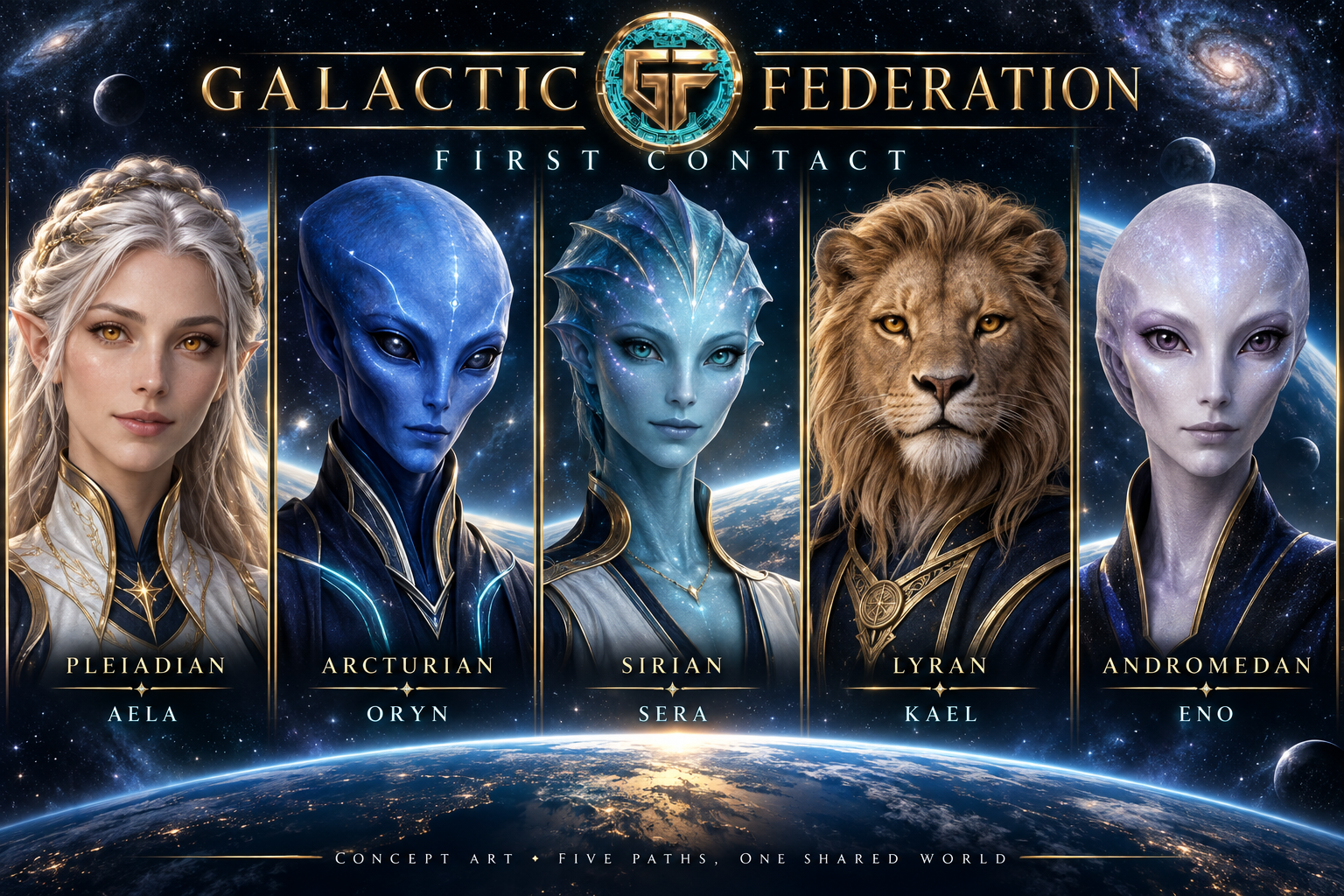
“An idea becomes stronger when you understand what it costs. Let's open your first stall.”
Fictional credits and invented sales scenarios. No payment, wallet, or account. Choices reset when you reload.
What kind of stall will you run?
You start with 200 credits. Each charm costs 4 credits to make. You make charms only after someone orders, so there is no unsold stock.
These sales estimates are invented for the story. In the first round they come true so you can compare the costs. Then you can change customer numbers yourself.
“Before you choose, ask: what is left from each sale after making the charm?”
Your market-day receipt
- Sales revenue · money customers paid
- Making the charms
- Stall fee
- Profit
- Ending balance · started with 200
Compare the same three plans
| Plan | Sold | Revenue | Total costs | Profit / loss |
|---|
This simple model counts materials and the stall fee only. It excludes labor, tax, payment fees, and other possible expenses. Real business profit must account for all applicable expenses; these are not earnings forecasts.
Change the crowd.
“A busy stall feels exciting. Check what remains after the costs, then test what happens if the crowd changes.”
One last decision
A stall takes in 120 credits and its costs are 140. What happened?
Mission complete · Sales are the start. Costs tell the rest.
Next time someone shares a big sales number, ask what it cost to earn it.
Completion is educational only. No tokens, financial rewards, or spiritual rank.
Stay with Kael for Chapter Two: After the Crowd →